
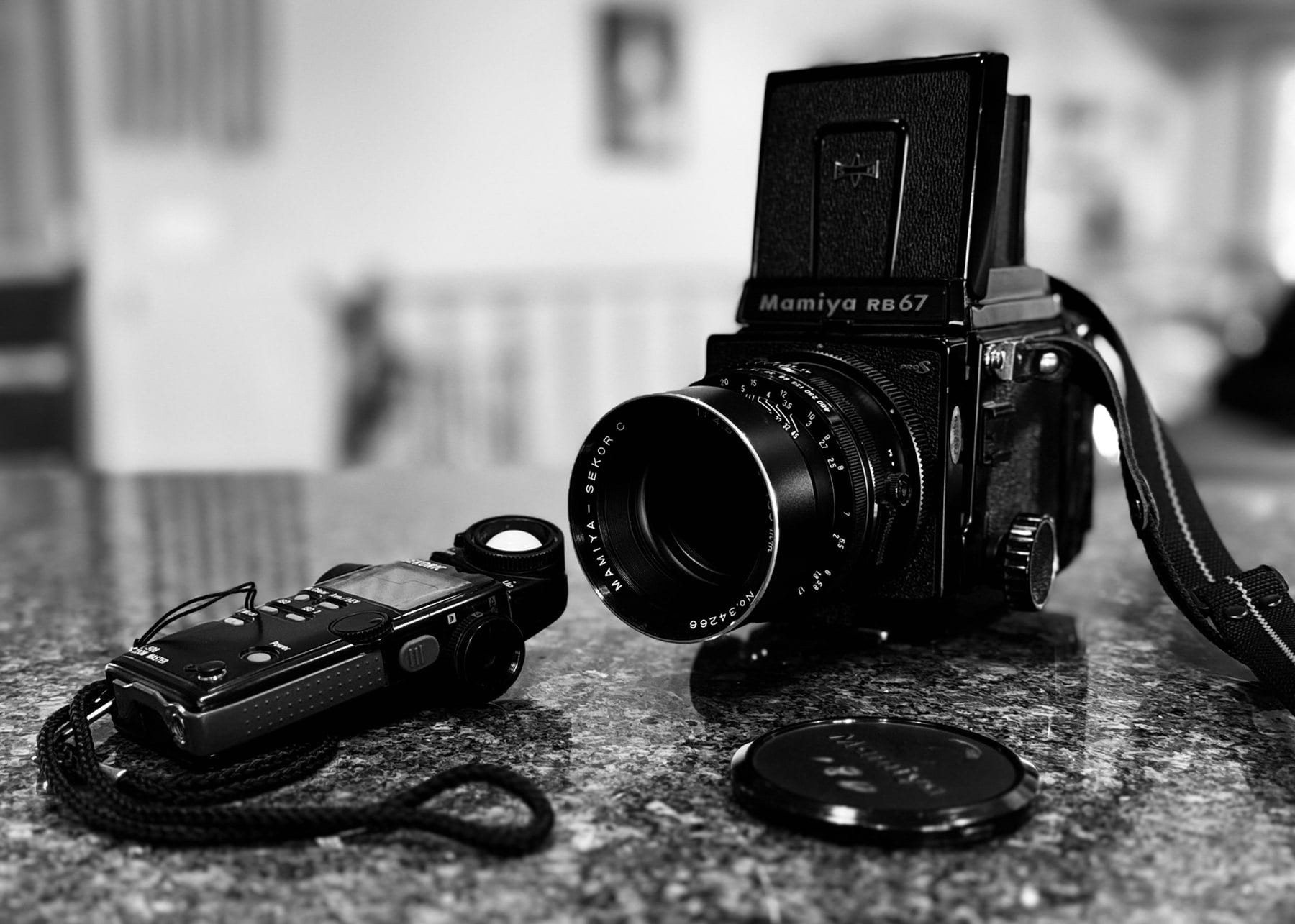
Where technical precision meets artistic vision.
Photography rooted in understanding light, chemistry, and the physics of image formation.
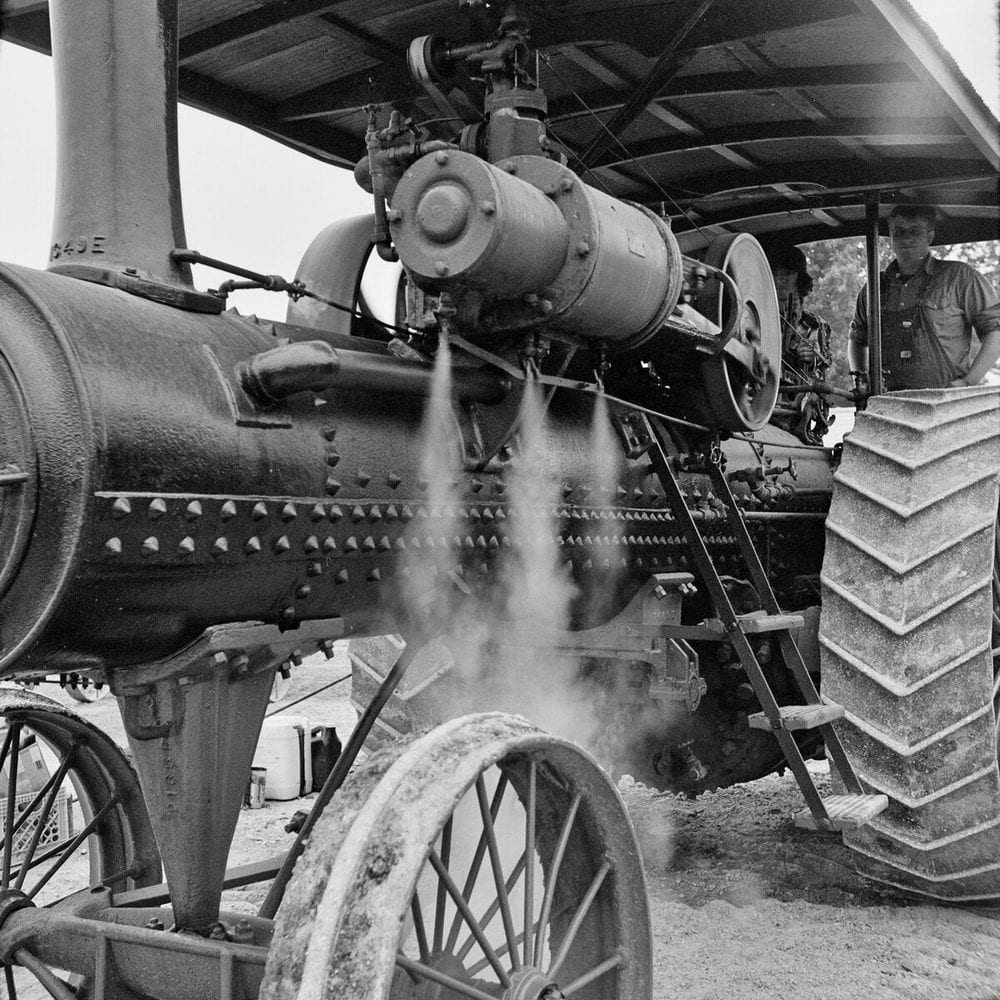
Two crafts, one pair of hands.
Photography brings together composition, chemistry, timing, and the technical challenge of making it all work.
Nearly three decades in technology came first: fifteen years of them in aerospace and defense, building systems for undersea platforms, satellites, and aircraft. Art ran alongside the whole time, in drawing and in making things that were visually compelling.
Photography is where the two converged. The composition training from sketching. The problem solving from building complex systems. The precision from signal processing and systems engineering. The chemistry from materials science and the darkroom. Everything found its place.
Calculating bellows extension or managing reciprocity failure is engineering. Composing on the ground glass or timing the decisive moment is art. They are the same craft, approached from both sides.
The science behind the craft.
Understanding why a technique works makes the result intentional and repeatable.
Optical systems
- Image circle calculations for large format
- Scheimpflug principle for focus control
- Lens coverage and movements
- Hyperfocal distance optimization
- Circle of confusion tolerances
Film and chemistry
- Push and pull processing for exposure control
- Zone System for dynamic range management
- Reciprocity failure compensation
- Developer chemistry formulation
- Archival processing techniques
Exposure and metering
- Incident and reflected light metering
- Inverse square law in practice
- Bellows extension factor calculations
- Multi-zone metering strategies
- Highlight and shadow preservation
Digital workflow
- Color space transformations
- Frequency domain filtering
- Wavelet-based processing
- Custom algorithm development
- High-resolution scanning techniques
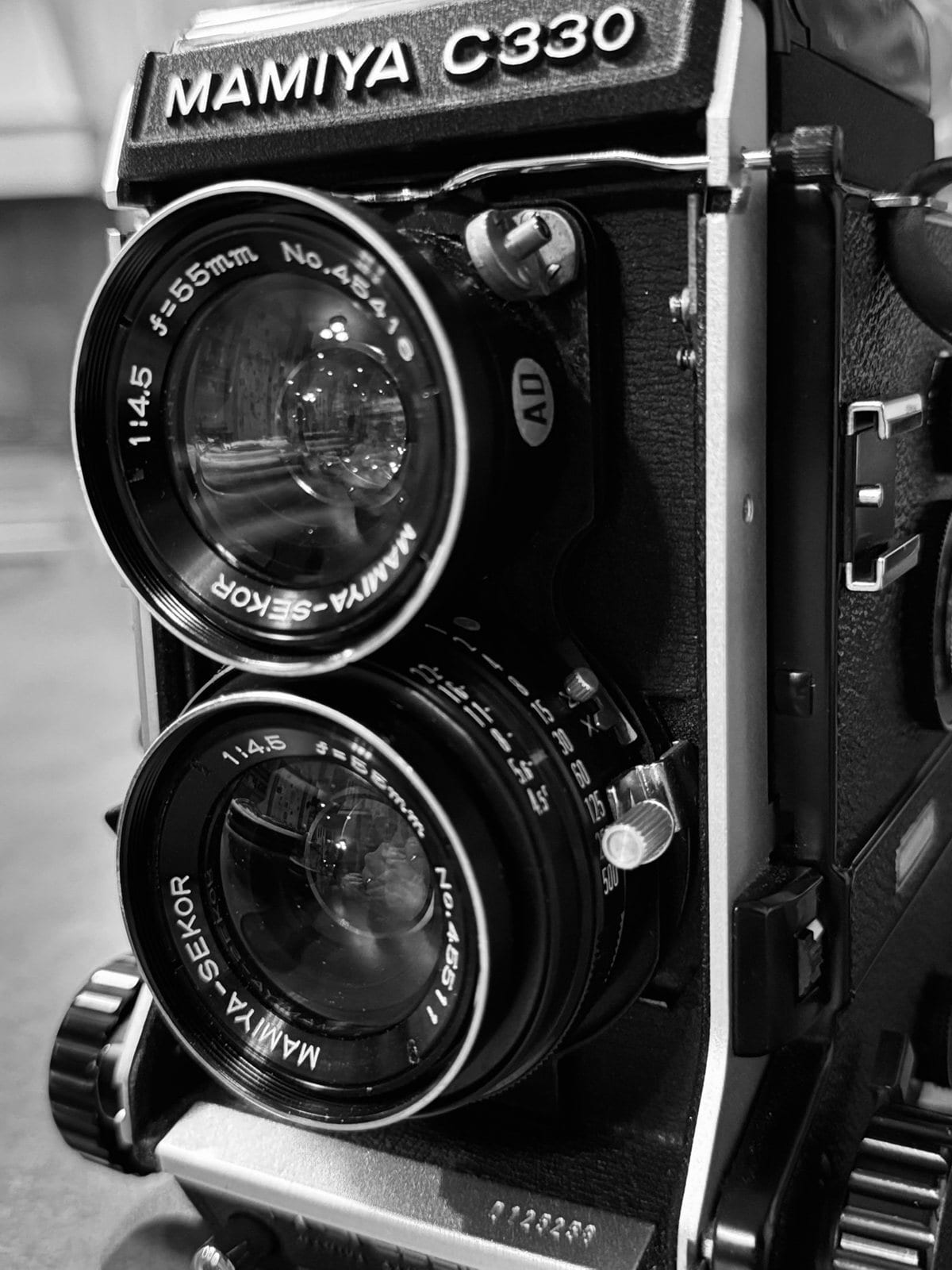
Film forces intention.
With a 4x5 view camera, each setup takes time. You are under a dark cloth, viewing an inverted image on ground glass, working out depth of field with the Scheimpflug principle, metering multiple zones, adjusting for bellows extension. By the time a film holder is loaded and the exposure made, that single frame has earned real thought.
This deliberate approach yields better photographs. Fewer of them, and better. Each negative represents a fully considered decision about composition, exposure, and technique.
The aesthetic matters too. Silver halide grain renders differently than sensor noise. The reciprocity characteristics of film create their own tonal curves. And the physical negative is archival: a hundred-year-old negative still prints beautifully. These are properties that serve the craft.

Technical expertise in the service of connection.
This is about creating something people connect with.
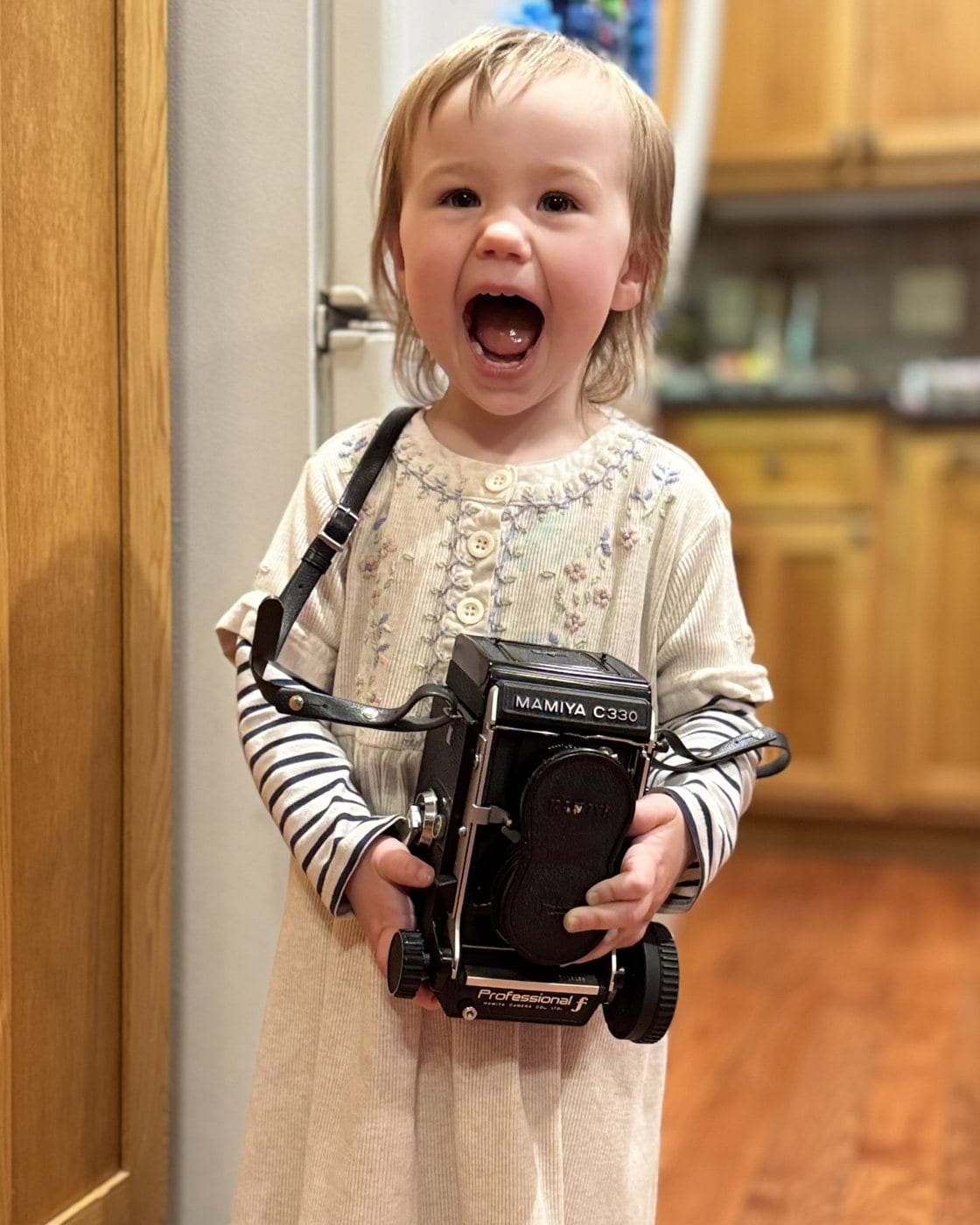
Perfecting a communications protocol or optimizing a signal chain is intellectually satisfying, and only specialists appreciate it. Show someone a portrait of their family, though, and watch them light up: the grass stain on the shirt, the expression that reminds them of grandma. That is universal. That is what makes photography different.
Everything here about optics and chemistry goes toward making something that makes people feel, whether or not they ever hear the words Zone System or reciprocity failure. When someone tears up holding a print, that is the point.
Part of a broader idea.
SilverHue Studios belongs to InFuze, a family of companies that fuses technology and creativity.
The philosophy that technical precision and creative vision are complementary strengths rather than opposing forces runs through everything InFuze builds. It shows up here as teaching, too: years of college and university instruction, mentoring engineers and artists, and a real satisfaction in explaining why a technique works rather than only that it works.
Photographic range
4x5 large format, 6x7 and 6x6 medium format, 35mm film, and modern digital systems. A complete darkroom for film development and silver gelatin printing. Custom image processing software when digital is the right tool.
Philosophy
This is about choosing the right tool and understanding it thoroughly enough to push its capabilities. Film when it serves the vision. Digital when that is better. Always with intention.
Knowledge applied to your vision.
Working with SilverHue Studios means working with someone who:
- Understands the complete process from first principles: why a technique works, well beyond which button to press
- Adapts to challenging situations, because the underlying physics and chemistry are understood
- Delivers original negatives, because you should own your complete photographic record
- Takes time with each shot: deliberate, intentional photography that prioritizes quality over quantity
- Explains the process when you are interested, and simply delivers exceptional results when you are not
- Brings the same precision and care to a family portrait and to a complex technical shoot
My name is Eric, and I created SilverHue Studios to offer photography that respects both the art and the science: where technical mastery serves creative vision, and where every client receives work that reflects genuine craftsmanship.